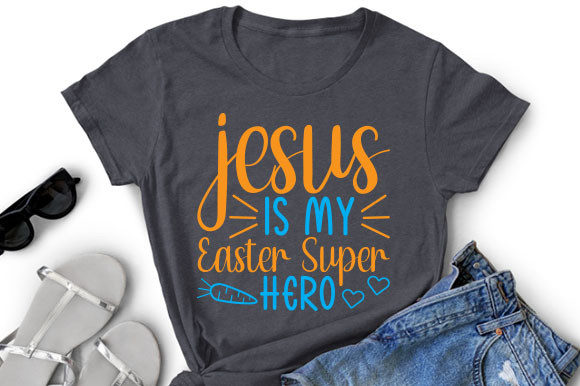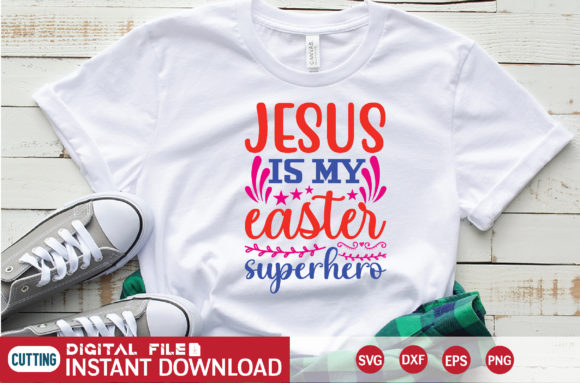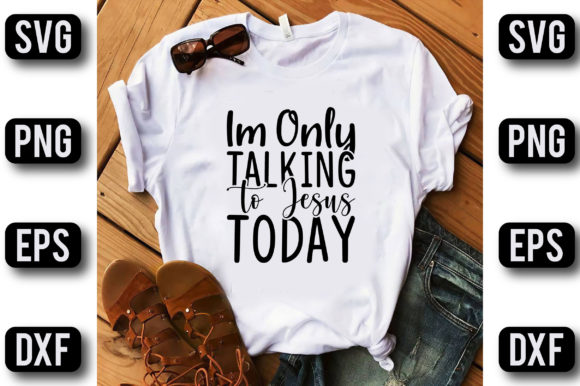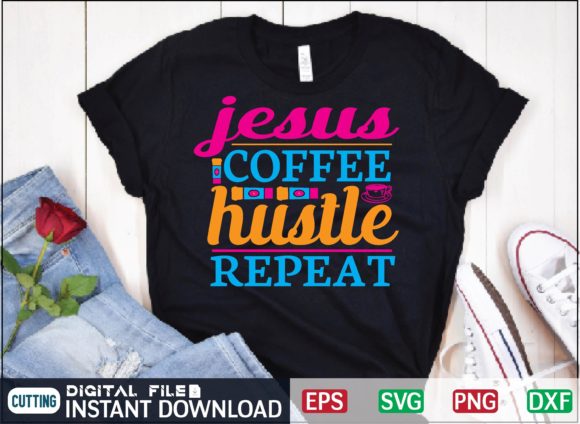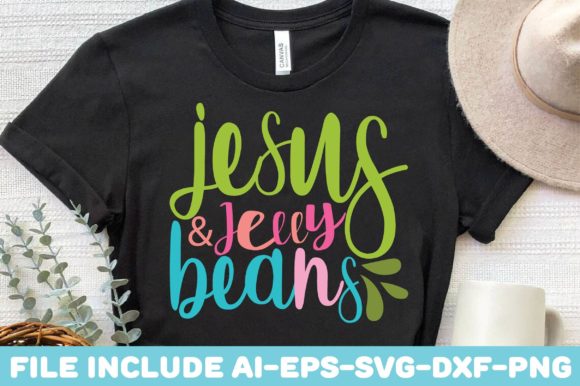
Jesus Jelly Beans Font
As I sat down to redesign the header for my lifestyle blog, I found myself drawn to a font that felt both whimsical and confident. Jesus Jelly Beans, a digital graphic from the T-Shirt Designs category, offered something unexpected: a playful yet polished typeface that could elevate a simple headline into a memorable visual statement.
The font’s character is soft but bold, with rounded edges that suggest approachability and a touch of fun. Its rhythm flows naturally, making it ideal for headlines that need to stand out without overwhelming the reader. The mood it conveys is light-hearted, perfect for content that aims to engage rather than instruct.
For a blog focused on wellness and mindfulness, the font added a sense of warmth that matched the tone of the articles. It wasn’t just about looking good—it was about creating a visual language that resonated with the audience. When paired with a clean sans serif for body text, the contrast made the design feel balanced and professional.
Using Jesus Jelly Beans in Editorial Design
One of the first places I saw potential for Jesus Jelly Beans was in the cover of a recipe ebook. The font’s rounded shapes gave the title a friendly, inviting feel, while its subtle detail added a layer of sophistication. For a cookbook centered around comfort food, this combination struck the right note—approachable yet refined.
In a wedding guide, the font worked well as a decorative accent. It appeared in section headings and pull quotes, offering a break from more traditional typography. The font’s personality complemented the celebratory nature of the content, adding a touch of creativity without distracting from the information.
For a printable planner, the font served as a key element in the header design. Its readability made it suitable for longer text, though it was best used in short phrases or titles. When paired with a serif font for daily entries, it created a cohesive look that felt both modern and personal.
Font Pairing and Visual Hierarchy
When working with Jesus Jelly Beans, the goal was always to maintain a clear visual hierarchy. As a display font, it shone brightest in headlines, logos, and section titles. Its charm made it perfect for eye-catching elements that needed to draw attention without competing with the main content.
Pairing it with a classic serif font like Georgia or Times New Roman helped ground the design, ensuring that the overall layout remained readable and professional. For a digital magazine, this combination worked well in article titles and subheadings, offering a contrast that guided the reader through the content.
For a coaching workbook, the font was used in chapter openers and motivational quotes. Its playful style aligned with the positive, encouraging tone of the material, while its clarity ensured that the messages were easy to digest. In this context, the font acted as both a visual and emotional cue.
Readability and Practical Considerations
Despite its decorative elements, Jesus Jelly Beans maintains a level of readability that makes it suitable for a range of applications. On screen, it performed well in headers and buttons, where its curves didn’t interfere with legibility. On mobile devices, the font retained its clarity, making it a solid choice for web design and social media graphics.
In print, the font held up well in small sizes, though it was best used in larger formats such as posters or signage. For PDF exports, the file formats included in the download—SVG, PNG, DXF, PDF, EPS—ensured that the font could be used across different platforms without losing quality.
When considering commercial use, it was important to check the licensing terms. As a Graphics product, Jesus Jelly Beans came with clear guidelines for use in ebooks, templates, and paid newsletters. This made it a reliable choice for creators who wanted to incorporate the font into their digital products without legal concerns.
Exploring the Full Potential
Throughout the project, I found myself returning to Jesus Jelly Beans for its versatility. It wasn’t just a font—it was a tool for storytelling. Whether used in a newsletter header, an editorial feature page, or a printable guide, it brought a unique energy to the design.
Its multilingual support made it a practical choice for international audiences, and its availability in multiple file formats ensured that it could be integrated into various projects with ease. For a creative brand looking to establish a distinct identity, the font offered a fresh, engaging option that stood out from the usual choices.
As the final touches were added to the redesign, I realized how much the font had contributed to the overall experience. It wasn’t just about aesthetics—it was about creating a space where the reader felt welcomed and engaged. And in that way, Jesus Jelly Beans proved to be more than just a font. It was a vital part of the design process.